Two houses, two different tops
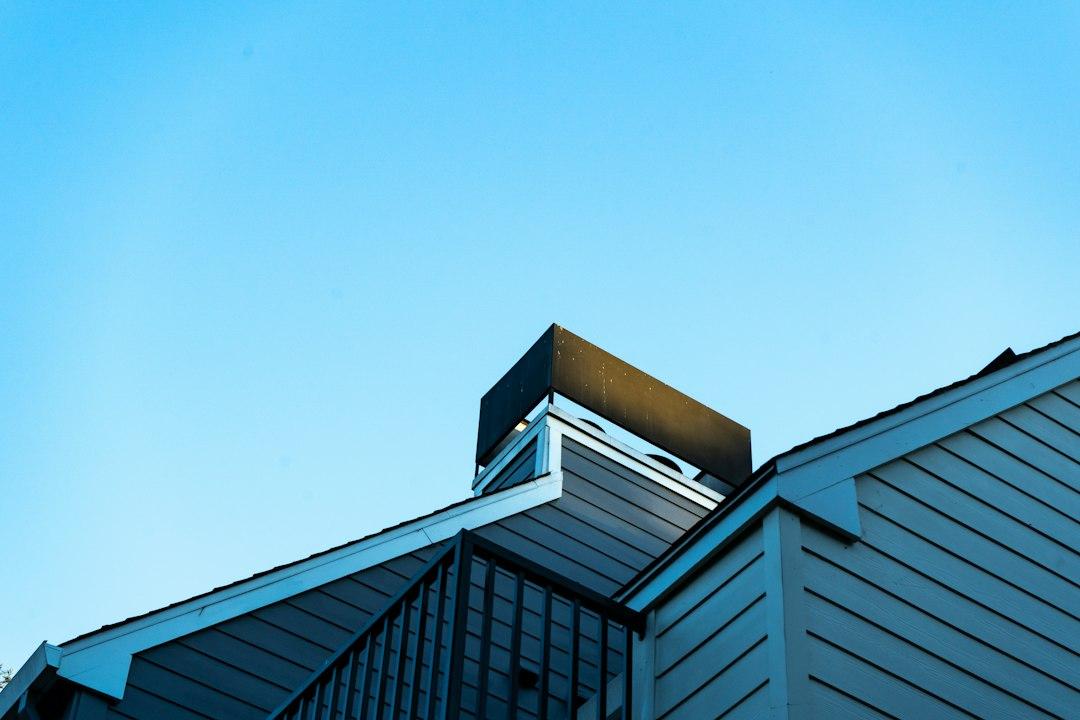
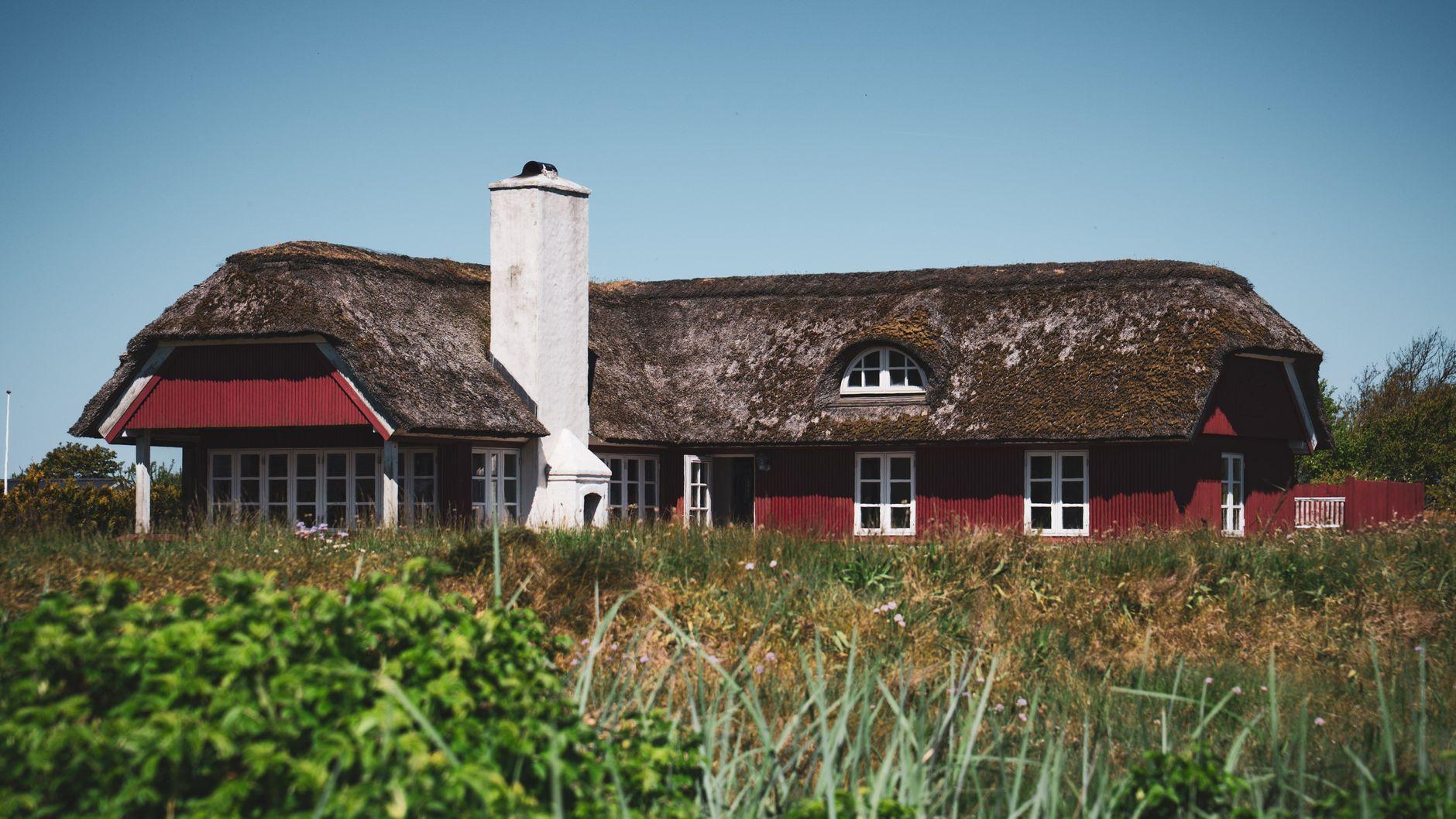
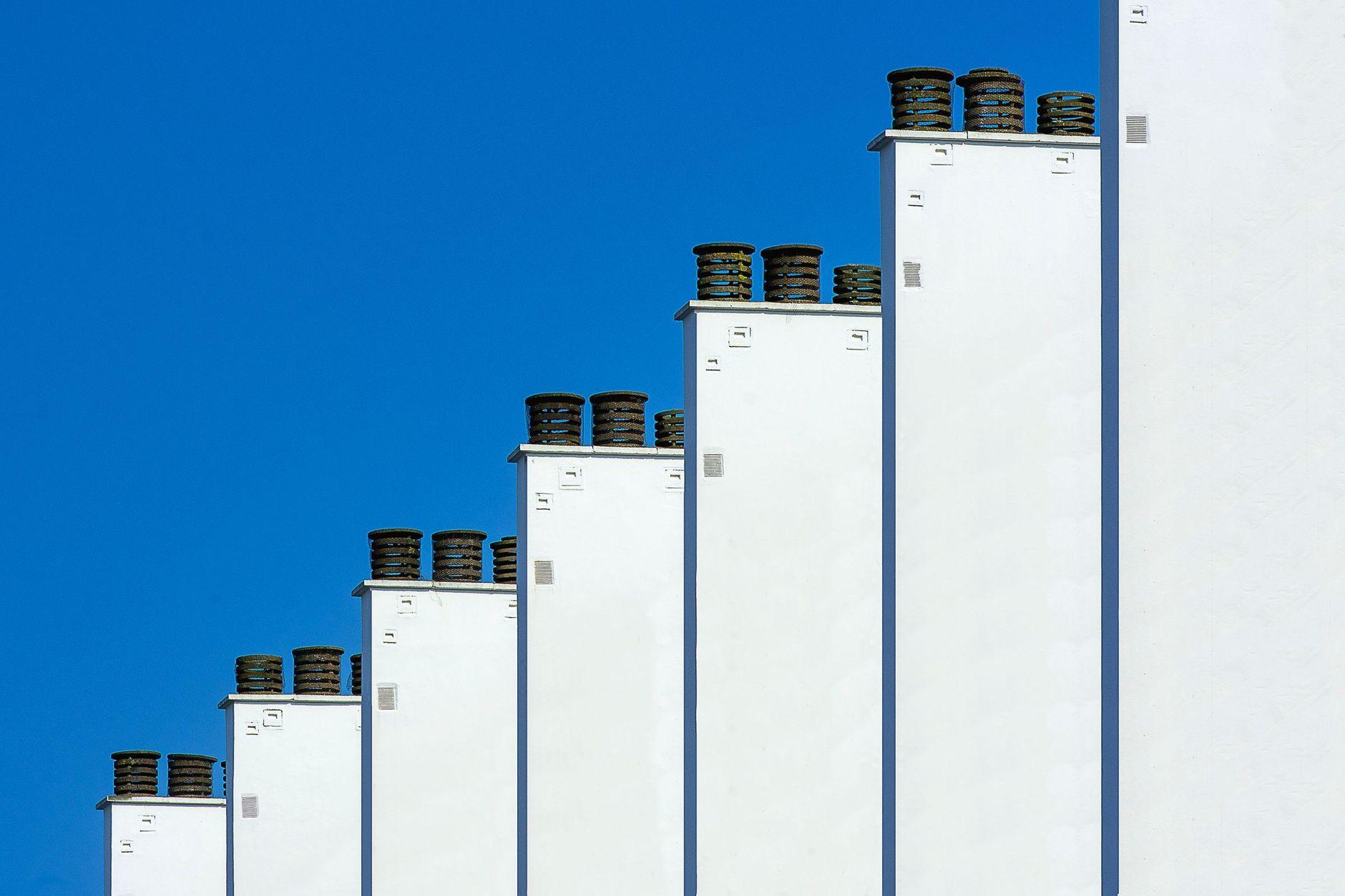
Walk down almost any block in Monterey Park and you will see both kinds. One house has a brick stack with a clay tile poking out of it. The house next door has a boxy column on the outside wall, covered in the same stucco as the rest of the house, with a short metal pipe and a little hat on top. Both are chimneys. They close at the top in different ways, and animals get into them in different ways.
When an owner asks us for a cap, the first thing we check is which of the two they have. On a brick chimney the answer is a cap. On the framed box it is often a chase cover, and sometimes both.
The brick chimney: a cap over the tile
A masonry chimney has a flue tile running up the middle and a concrete crown around it. Birds, rats and squirrels get in by going straight down the open tile. A cap stops them: a metal hood that clamps onto the tile, or sits over the whole crown, with mesh on every side.
- What it costs here: quoted after we measure the flue.
- What moves the price: how many tiles, their shape and size, the metal, and the roof.
- What it does not fix: a cracked crown under the cap, or water at the roofline.
The full breakdown is in what sets the price of a chimney cap in Monterey Park.
The framed chimney: a cover over the box
Many houses built from the 1970s on have a factory-built fireplace. The metal flue pipe runs up inside a wooden box, called a chase, finished to match the house. At the top of the box sits a sheet metal lid with a hole for the pipe. The pipe carries its own small cap, made by the fireplace maker for that pipe.
Animals get into this kind of chimney a different way. The lid on top of the chase rusts, sags, and holds a puddle. In time it rots through at the corners or the seams. Rats and birds find that gap and move into the box itself, next to the flue pipe, on top of the insulation. You hear them in the wall beside the fireplace, not in the firebox.
So on a framed chimney:
- A new pipe cap helps only if the factory cap is missing or crushed. It must be the right part for that pipe; a masonry cap will not do.
- A new chase cover closes the top of the box. We make it from stainless steel cut to fit your chase top, with a stepped-up collar around the pipe opening and a slope so water runs off the lid.
Telling which one you have
From the yard you can usually sort it out:
- Brick or block, a clay tile at the top: masonry. You need a cap.
- Stucco or siding over a box, a round metal pipe with a small hat: factory-built. You need to look at the lid.
- A brick-look facing over a framed box: this catches people out. Look for a metal pipe at the top rather than a tile.
If you are not sure, tell us what you can see when you send the form, and we will know what to bring to the visit.
What a chase cover costs, and why there is no number here
A cap is quoted after we measure the flue. A chase top needs more than that. The size of the box, the number of pipes through it, how far the old lid has rotted, and whether water has already reached the framing all change the job. After we have measured the chase and looked under the old lid, you get a written figure for the cover and anything under it that needs attention.
When the chase holds a gas appliance and a wood fireplace side by side, both pipes pass through one cover, and each keeps its own cap. That shows up in the written figure too.
Damage that comes with a failed chase top
A rusted lid does more than let in rats. Water pooling on it drips onto the framing inside the box. Owners tell us about:
- A rust streak running down the stucco from the top of the chase.
- A musty smell next to the fireplace after rain.
- Stains or bubbling paint on the wall around the fireplace.
- Nesting material falling out of the gap at the top of the box.
We look for each of these at the visit. If the wood inside the chase has gone soft, we say so and quote that as its own line.
What decides the price, and how to start
On a brick chimney the price comes from the flue tiles and the roof. On a framed chimney it comes from the size of the box and the state of the old lid. Either way, the first thing we need is which kind you have. Use the form to tell us whether the top is brick or a box, whether you hear animals in the firebox or in the wall beside it, and whether you have seen rust streaks. Request a cap or chase cover visit. We measure, look at what is under the old top, and send the figure in writing.
When the answer is both
Some framed chimneys need a new lid and a new pipe cap at the same time: the lid because it rusted through, and the factory cap because a raccoon pulled it loose on the way in. We list each part on its own line so you can see what each costs.
On a brick chimney with a broken crown, a cap alone can leave water getting in under it. In that case we tell you the crown needs work too; see chimney crown repair.
Read next
For the service pages, see chimney chase cover and chimney cap installation. For the trades question, read who to call for a chimney animal.
Not sure which top is on your house? Start on our contact page with what you can see from the yard, and we will take it from there.
Ready to Get the Top Closed?
Costello Chimney Group heads out from Monterey Park to Los Angeles, Downey, Baldwin Park and the cities between. Tell us what you are hearing and we set a visit, then price any cap, crown or roof metal one line at a time.