Where the leaves go
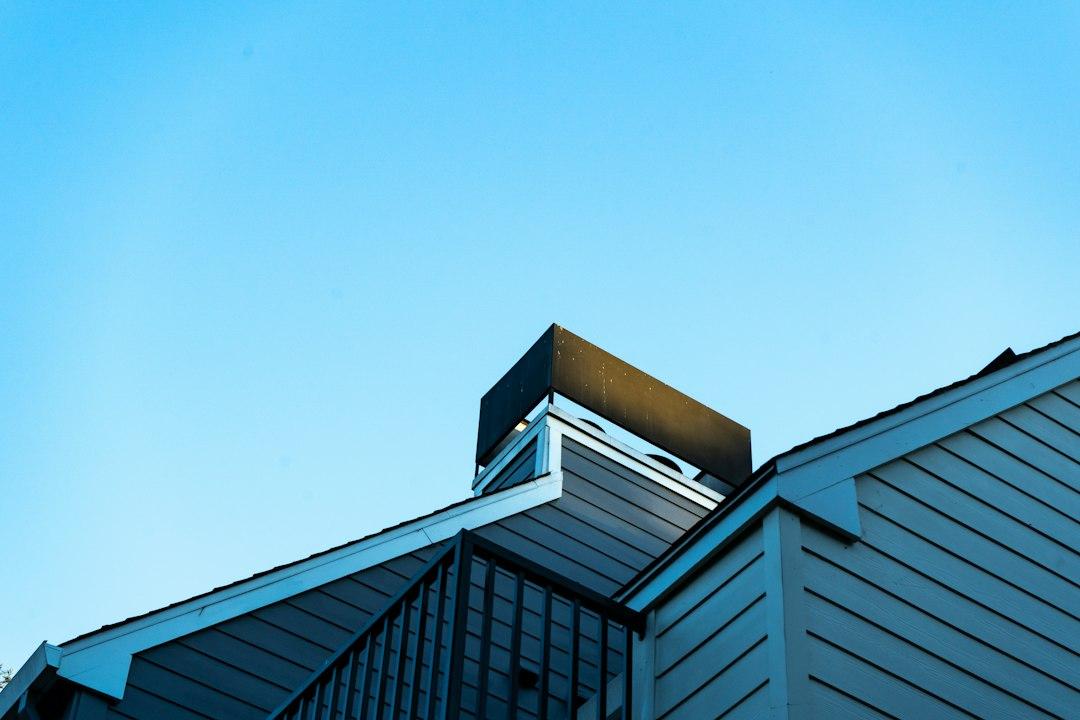
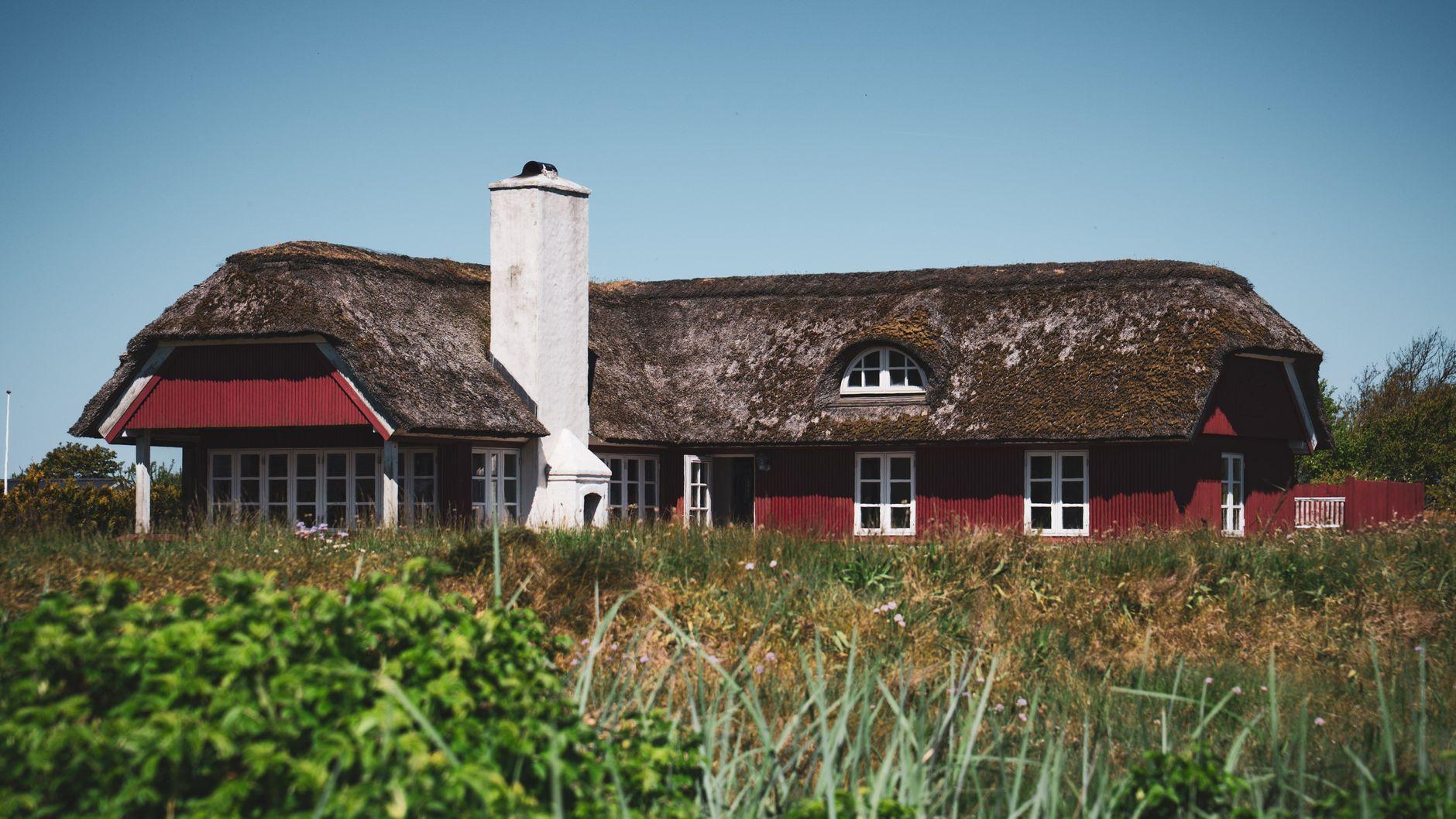
Climb onto almost any roof in Monterey Park in late autumn and look behind the chimney. If the stack is wider than a couple of feet, there is a little drift of debris on its high side: jacaranda flowers, pepper tree leaves, pine needles from two yards over, sometimes a tennis ball. That drift holds water after every storm. It also makes a dry, sheltered ledge where rats like to sit, and a nesting spot for pigeons.
That pocket is where many chimney leaks begin. The metal that seals the joint between brick and roof sits right under the wet pile, and it wears out faster there than anywhere else on the chimney. So when owners call about a stain by the fireplace, the choice is often between two jobs: new flashing, or a new cricket together with new flashing.
The two fixes in plain words
Flashing is the sheet metal that bridges the gap between the side of the chimney and the roof covering. When it lifts, rusts or loses its sealant, rain runs behind it and down into the house.
A cricket is a small ridge built on the high side of the chimney, framed in wood and covered in roofing or metal. It splits the flow coming down the roof so water and leaves slide off to both sides instead of piling up against the brick. Once it is in, the drift we described above has nowhere to form.
On a narrow chimney, new flashing is often enough. On a wide one, flashing alone can fail again for the same reason the old set did.
Our prices for this work
| Job | Price |
|---|---|
| A cricket framed and covered on its own | $445 to $1,005 |
| A cricket built along with all new metal around the stack | $670 to $1,650 |
| Tracing a leak to its source and fixing it | $555 to $3,350 |
Flashing on its own, with no cricket, has no published figure. How much metal comes off, whether the old set was let into the brick or just glued on, and what the roofing is all change the job, so we price it after looking at it.
Which job your chimney needs
We look at four things on the roof:
- Width of the stack. A wide chimney sitting across the slope is where crickets pay for themselves. Many roofing guides use about thirty inches as the point where one is expected; we judge it on the roof and say why.
- What has piled up behind it. A drift of leaves and nesting material tells us water is sitting there after rain.
- The state of the metal. Rust, gaps, loose nails, or tar smeared over old holes all point to replacement.
- Signs of animals. Chewed sealant, droppings on the high side, or a bird nest wedged into a gap. Rats will widen a small opening in old flashing.
If the stack is narrow and the metal is the only problem, we quote flashing. If the stack is wide and debris collects behind it, we quote the cricket with new flashing, because a new set of metal in a wet pocket is a short-lived repair.
Leaks that are not flashing
Not every damp patch near a fireplace is the flashing. Before we write a price we rule out the other ways water reaches the room:
- Rain going straight down a flue with no cap. A cap fixes that and also stops the birds. It is quoted after we measure. See what sets the price of a cap.
- A cracked crown on top of the chimney. That is its own repair; see crown repair.
- Brick and mortar soaking up water. See chimney waterproofing.
When the source is unclear, the leak repair line covers finding it and fixing it.
What decides your price, and the next step
Stack width, the state of the metal and what has piled up behind the chimney decide which line you land on. Where on the ceiling the stain sits, and whether it shows after every rain or only in a hard storm, tells us a lot before we climb up. Use the form to tell us where the water shows, when it appears, and roughly how wide the chimney is. Request a flashing or cricket quote. You get a written figure before any work starts.
What the work looks like on the day
For a cricket, we frame the ridge against the back of the stack, sheet it, and cover it to match or work with the roof. New flashing goes around the chimney at the same time: base pieces under the roofing, and a top layer cut into the mortar so it overlaps them. We clear the drift and any nesting from the area first and look for chewed spots in the roof felt below.
For flashing alone, the old metal comes off, we check the roof deck under it for soft wood, and the new set goes on. Soft decking is something we raise with you before carrying on.
Either way, if the cap is missing or rusted, we tell you while we are up there, since rain and animals share the same opening.
A few questions owners ask
Will a cricket change how the roof looks? From the street you usually cannot see it; it sits behind the chimney. From the backyard it reads as a small peak.
Can you match my clay tile roof? We work around tile, and we tell you if any tiles are cracked and need replacing as part of the job.
Is the leak line the same as flashing? No. The leak line is for water where the source is not yet known. If we find it is the flashing, the quote says so.
Related pages
See chimney flashing repair, chimney leak repair, and the price list on up to code repairs.
Seeing a stain after the last storm? Tell us about it through our contact page: where it shows, how big it is, and when it first appeared.
Ready to Get the Top Closed?
Costello Chimney Group heads out from Monterey Park to Los Angeles, Downey, Baldwin Park and the cities between. Tell us what you are hearing and we set a visit, then price any cap, crown or roof metal one line at a time.