The noise that starts most of these calls
Scratching behind the firebox wall around dusk. A flutter, a pause, another flutter. Twigs on the grate in a house where nobody has lit a fire since spring. A smear of droppings on the hearth, or a squirrel staring back through the glass doors. When an owner in Monterey Park calls us about a cap, it nearly always begins with one of these, and the price comes up second.
Every one of them points to the same thing: the top of the flue is open to anything with wings or claws. A cap with a screen shuts that door. What owners do not expect is how much two cap jobs can differ in price. This post lays out what sets that price.
What sets the cap price
At Costello Chimney Group a cap is quoted on site. Caps differ because chimneys differ.
- Simplest job: one round or square clay tile on a single storey roof, fitted with a stock stainless cap that clamps to the tile.
- Costs more: a two storey drop, a tile roof, or a flue in a less common size that needs a cap ordered to fit.
- Costs the most: a broad brick chimney carrying two or three flues under one custom top, built to the measured size of the masonry, on a steep or tall roof.
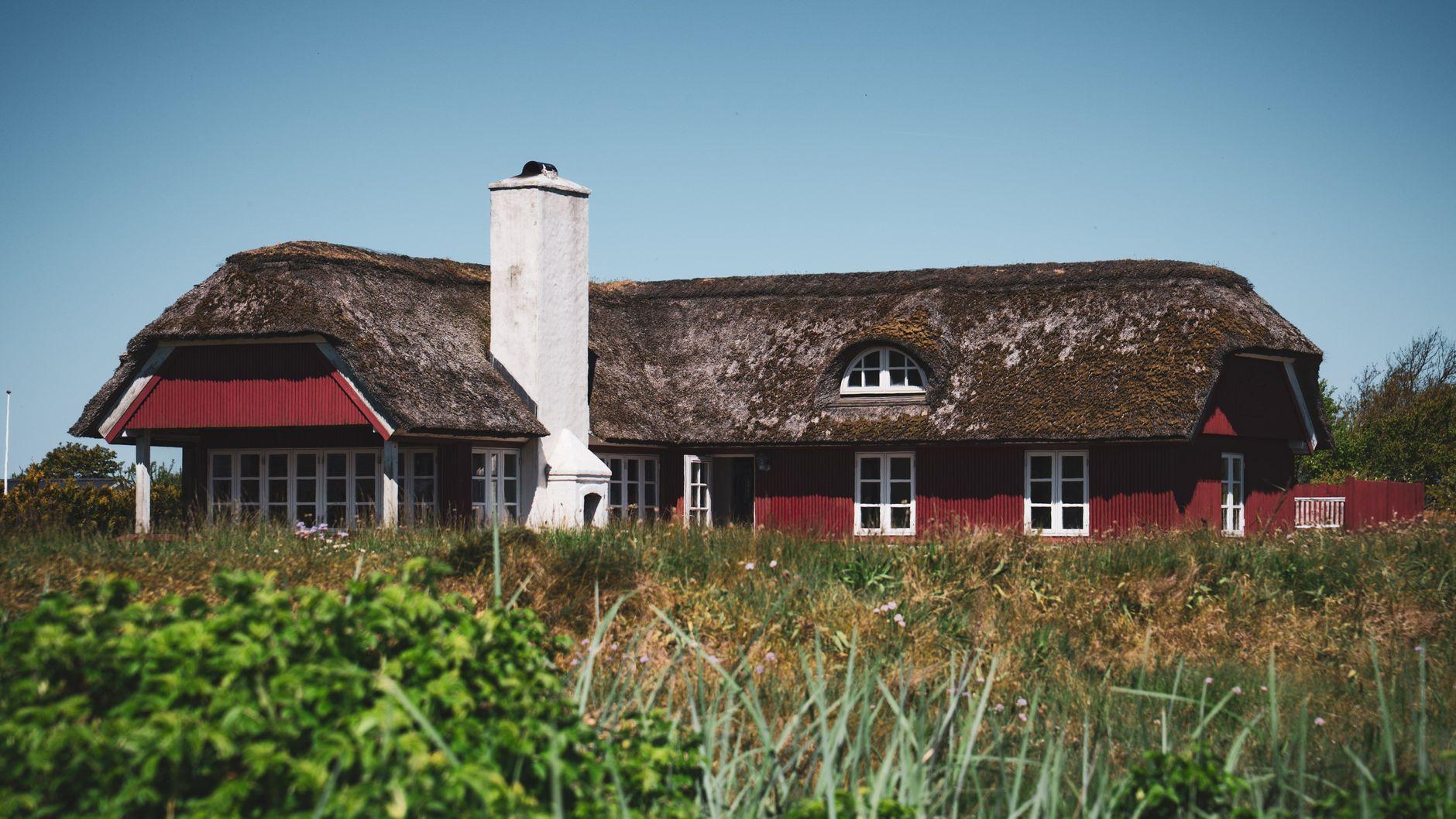
Plenty of the post-war ranch houses around Monterey Park have one fireplace, one flue and a roof we can walk, so many cap jobs here are the simple kind. The hillside streets with steeper pitches and clay tile cost more.
Why two caps can cost so differently
- Flue count. One tile takes one cap. Two or three tiles side by side often get a single top that spans the whole crown.
- Tile shape. Common round and square sizes take a stock part. Oval tiles, odd sizes or tiles sticking up at different heights need a made-to-measure top.
- Metal. We fit stainless as standard. Copper costs more and is chosen for looks. We do not fit galvanized, because it rusts through and the screen goes first.
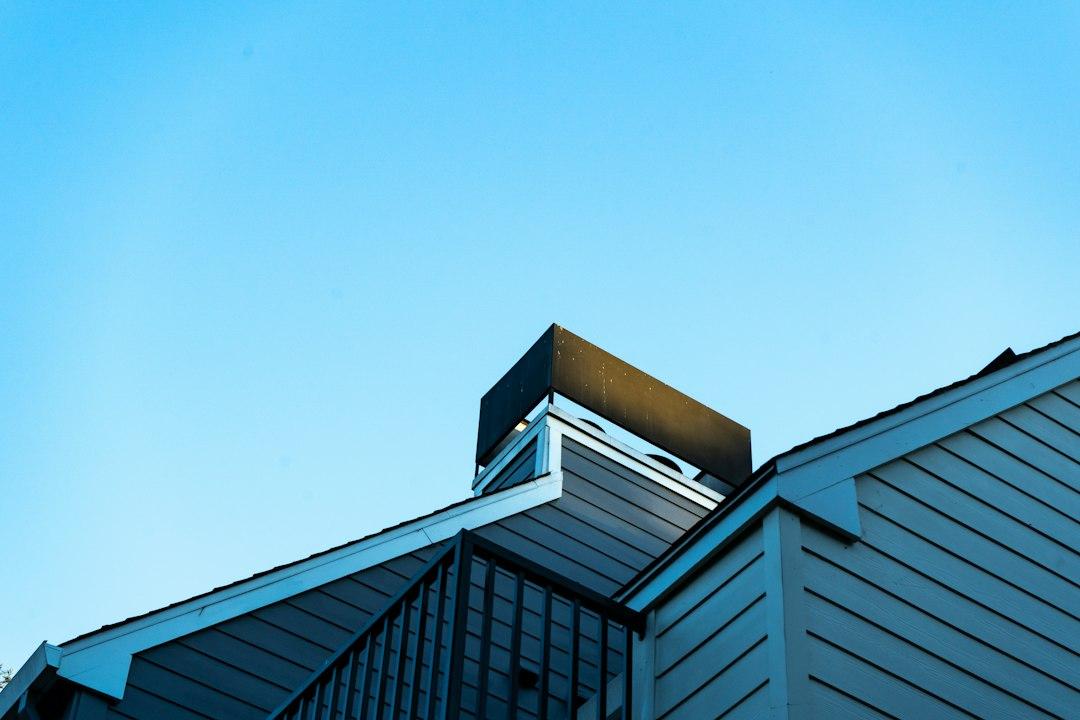
- Screen. Every cap we fit has mesh on all four sides. The mesh is what keeps out birds and rats; a top without it only keeps rain off.
- Roof access. Shingles at a low pitch are a quick climb. Tile, a steep pitch or a high eave adds time and gear.
- What is under the old cap. A rusted cap welded to the tile by corrosion, or a crown that has broken into pieces, changes the job. We tell you before doing anything extra.
Nest first, cap second
Fitting a cap over a live nest traps whatever is inside, so the order of work matters more than the metal. Before a new top goes on, we look down the flue and into the smoke chamber. In spring it is usually birds. Rats and squirrels show up in every season. Now and then a raccoon has decided the smoke shelf makes a fine den.
- Anything alive leaves first. Some birds are protected while nesting, and if that applies we tell you and plan the cap around it.
- Sticks, leaves, fur and droppings come out next. That is a sweep, which starts from $415 and appears as its own line on the quote.
- The cap goes on last, sized to the tile and fixed so a Santa Ana gust cannot lift it.
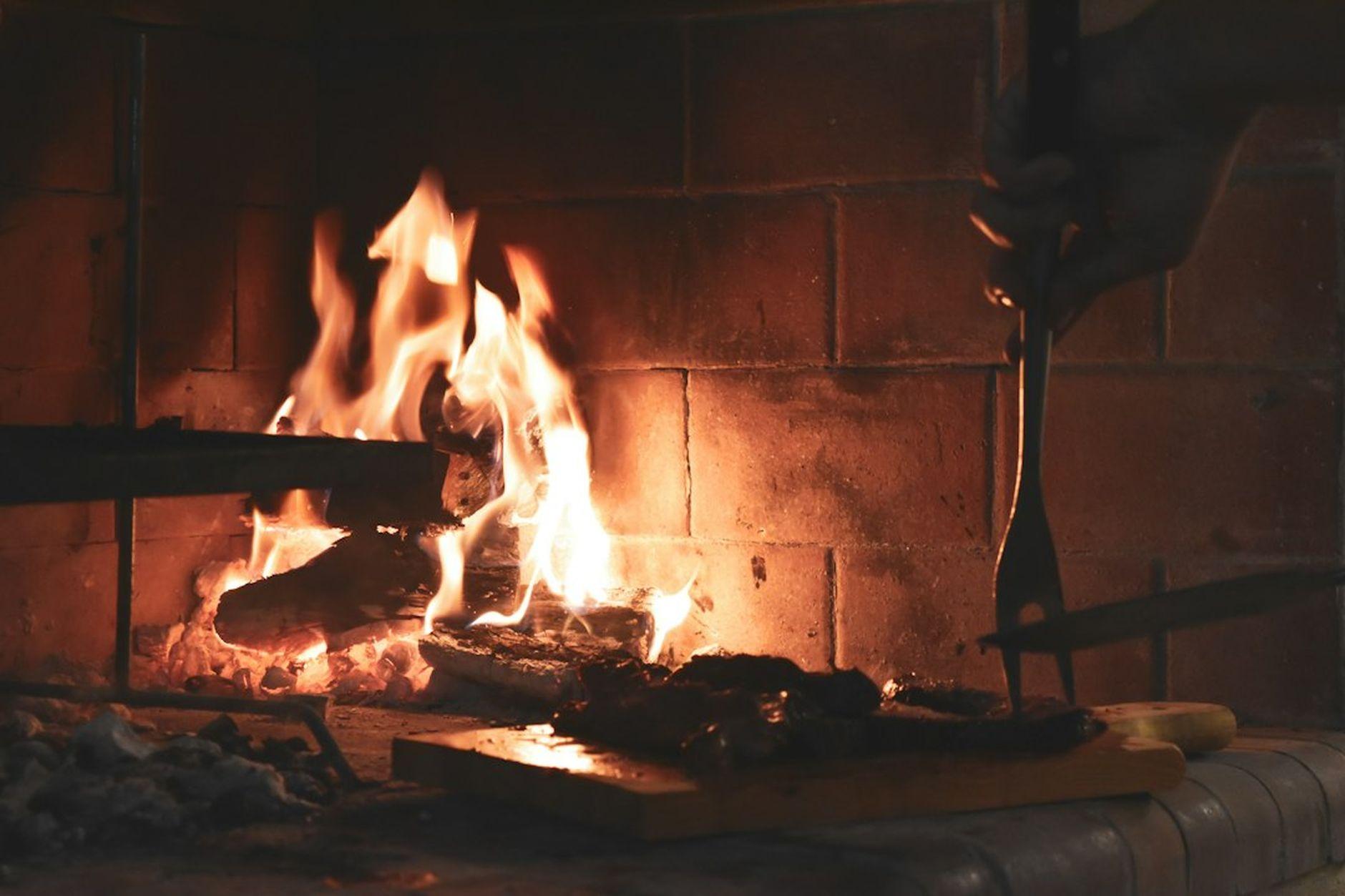
A chimney that has stood open for years almost always needs that sweep. A pile of dry nesting on the smoke shelf sits exactly where the heat gathers the first time anyone lights the fireplace, and it burns readily.
What decides your price, and what to send us
Three facts settle most of the number: how many flues come out the top, what shape the tiles are, and how hard the roof is to work on. Use the form to tell us what you have been hearing and in which room, how many fireplaces the house has, and whether the roof is shingle, tile or flat. Ask for a written cap price here. We come out, measure the tiles, look at the crown, and you get the figure on paper before any metal is ordered.
Jobs a cap does not do
A cap shuts the top of the flue. It does nothing for water that gets in lower down, where the chimney meets the roof. A brown ring on the ceiling beside the fireplace usually traces back to flashing, which is a separate visit; see our flashing repair service and the post on flashing or a cricket.
A cap also does nothing for a damper that no longer closes. If a bird has already got past the top and into the living room, or cold air pours out of the firebox, the damper is next in line. We cover that in what a damper repair pays for.
And on a house with a metal fireplace inside a framed box on the outside wall, the part animals chew through is often the top of that box rather than a cap. Cap or chase cover sorts out which one you have.
Owners ask us
Will a cap change how the fireplace draws? A cap set at the right height above the tile does not choke the draft. One sitting too low, or a screen packed with soot, can. We set the height to the flue, and we brush the screen whenever we sweep.
Can the old cap stay and just get a new screen? Sometimes. If the frame is sound and the screen is the only part that has rotted, we say so and price the smaller job. If the frame is rusted, a new cap usually costs less than chasing parts for the old one.
My neighbour's house has the same chimney. Why is my price different? The chimneys can look identical from the sidewalk and still differ in flue size, crown condition and roof covering. Those three items set the price, not the outline of the brick.
Do you deal with the animal? We clear what is living or nesting in the flue and close the top so it cannot come back that way. If something larger is in the attic or the walls, we tell you what we saw so you can bring in the right people for that part.
Will a home inspector mention a missing cap? Nearly always. If you are selling, fitting one before the listing goes up removes an easy line from the buyer's list. Our cap installation page has the details.
When something is scratching above the fireplace and you would like it to stop, our contact page is where to start. Tell us what you heard and roughly when, and we will set up the visit.
Ready to Get the Top Closed?
Costello Chimney Group heads out from Monterey Park to Los Angeles, Downey, Baldwin Park and the cities between. Tell us what you are hearing and we set a visit, then price any cap, crown or roof metal one line at a time.