Three trades get this call
Something is living in the chimney. You can hear it in the morning, and the dog sits staring at the fireplace. Owners in Monterey Park usually phone one of three trades first: pest control, a roofer, or a chimney company. Each one can solve part of the problem. Knowing which part saves you paying twice and still hearing the scratching next week.
What each trade is set up for
Pest control and wildlife removal deal with the animal. They can trap a rat in the attic, set one-way doors, and handle species with rules attached. What they usually do not do is go down a flue, pull nesting off a smoke shelf, or measure a clay tile for a cap.
A roofer works on shingles, tile and underlayment. A good roofer can patch around the base of a chimney. Most do not carry chimney brushes or a camera, and most will not fit a cap sized to a flue tile.
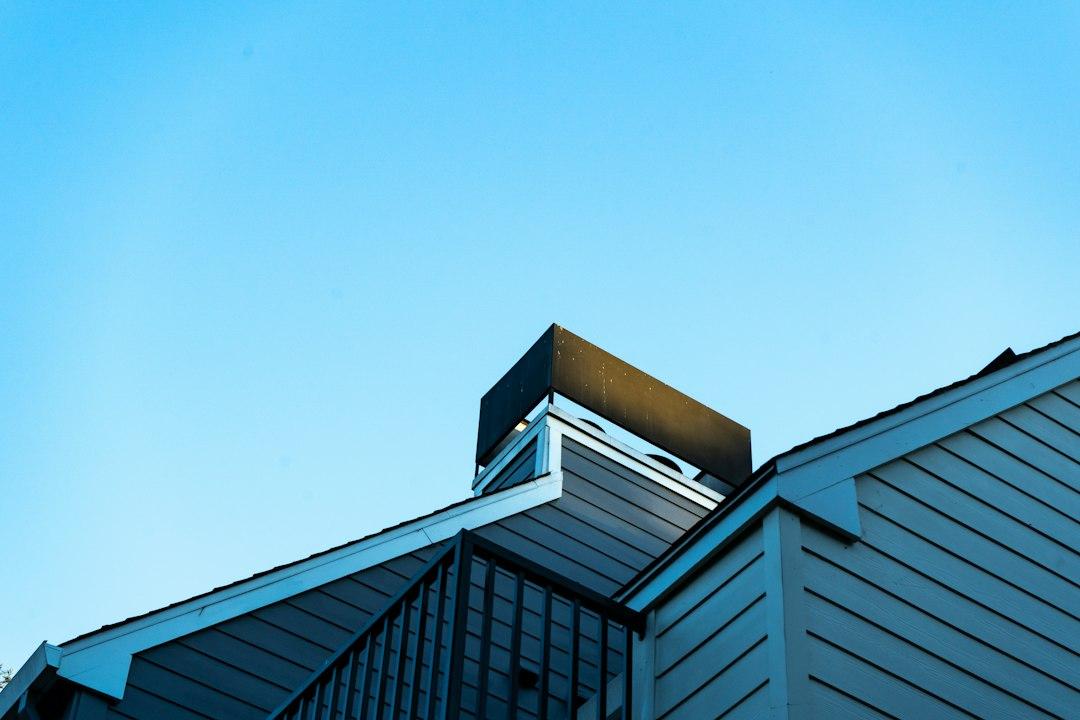
A chimney company works on the whole path an animal takes: the top of the flue, the tile down to the damper, the smoke chamber and the firebox. That is where birds nest, where squirrels fall and get stuck, and where rats drag in leaves. We clear the debris, sweep the soot that came with it, and fit a cap so the top is closed.
On many houses the right answer is two trades in the right order. If an animal has moved into the attic as well as the flue, we tell you what we saw, and we work around whoever handles the attic.
What a chimney visit for animals includes
When Costello Chimney Group comes out for a critter call, the visit covers:
- A look down from the roof at the top of the flue, the crown and any cap already there.
- A look up from the firebox at the damper and the smoke shelf, where nests tend to land.
- Removal of nesting, droppings, feathers and leaves from the flue and shelf.
- A sweep of the flue, since animals rarely move into a chimney that has just been brushed.
- A measured size for a cap, or a note on why the existing one let the animal through.
You leave the visit knowing what got in, how it got in, and what it costs to stop it happening again.
Prices you can expect
- Sweep with debris removal: from $415.
- Visual check of chimney and fireplace (Level 1): $54, if you only want to know what is up there before deciding.
- Cap with screen, installed: quoted after we measure. Flue count, tile shape and roof set the price.
Larger finds have no fixed price. A raccoon that has torn out part of a damper, or a crown that broke and let the animal under the old cap, gets its own written figure once we have seen it.
How to compare two chimney companies
Owners often get more than one quote for a cap. Put them side by side on these points:
- Does the quote name the cap? Metal, mesh on all sides, and whether it fits one tile or the whole crown. "Install cap" with a number next to it tells you nothing.
- Does it include clearing the flue first? A cap fitted over a nest is worse than no cap at all.
- Does it say what happens if the crown is broken? A good quote names that possibility and says you will hear about it before any extra work.
- Is the price for the house or for a generic chimney? If nobody has looked at your roof, the figure is a guess.
- Is the company making claims you cannot check? Look for plain statements about the work rather than badges.
What sets the price, and the next step
The price of a critter call comes down to what is in the flue, how many flues there are, and how hard the roof is to reach. A single flue with a bird nest and a walkable roof sits at the low end. Several flues, a tile roof, and a smoke shelf packed with years of nesting sit higher. Use the form to tell us what you are hearing, which room it is in, and whether there is a cap on top now. Book a critter visit here. You get a written price for the cap and any other work before we start on it.
Signs it is the chimney, not the wall
Owners are sometimes not sure the noise is in the chimney at all. These point to the flue:
- Sounds that seem to come from inside the firebox or just above the damper.
- Chirping that rises and falls around feeding time in spring.
- Twigs, leaves or bits of grass on the grate.
- A sharp animal smell in the room, stronger on warm days.
- Soot on the hearth when nobody has lit a fire.
Sounds that move along the ceiling or inside an outside wall usually mean the attic or a wall cavity. We can still look at the chimney, but the main fix there sits with someone else.
What we will not do
We do not use poison in a chimney; a dead animal in a flue is a worse problem than a live one. We do not seal the top while anything might still be inside. And we do not quote a damper or crown repair over the phone, because those depend on what the animal did on the way in.
Linked reading
If the cap price is your main question, read what sets the price of a chimney cap in Monterey Park. If your house has a framed box on the outside wall in place of a brick stack, read cap or chase cover. For the services themselves, see chimney sweep and cap installation.
Hearing something in the flue right now? Reach us through the contact page with the room, the noise and the time of day, and we will plan the visit from there.
Ready to Get the Top Closed?
Costello Chimney Group heads out from Monterey Park to Los Angeles, Downey, Baldwin Park and the cities between. Tell us what you are hearing and we set a visit, then price any cap, crown or roof metal one line at a time.