A bird in the living room
The call usually goes like this: a sparrow or a starling is flapping against the living room window, and nobody knows how it got in. Then someone notices soot on the hearth and a few feathers on the grate. The bird came down the chimney, and nothing stopped it at the bottom.
That bottom stop is the damper, the metal door just above the firebox. Shut, it closes the flue off from the room. In a lot of Monterey Park houses it has been rusted open for years, or it was taken out at some point and never put back, or it closes most of the way and leaves a gap a small bird can squeeze through. A damper repair costs more or less depending on which of those you have, and this post walks through the options.
What we usually find
On damper calls we tend to see one of these:
- Rusted solid. The plate has fused to its frame in the open position. Rain coming down an uncapped flue does this over a few winters.
- Handle or lever broken. The plate is fine, but the control that moves it has snapped or come off its pin.
- Plate gone. Someone removed it, often for a gas log set, and the opening is bare.
- Bent or forced. A raccoon climbing down will push a damper out of shape on its way into the firebox.
- Frame cracked. The cast iron frame that holds the plate has split, so the plate no longer seats.
Each of these lets in drafts, rain smell and animals. They do not all cost the same to fix.
The three ways we fix it
Free the old damper. If the plate and frame are sound and the problem is rust or a stuck pivot, we clean, free and adjust it. This is the lowest cost option and keeps the original part.
Replace the throat damper. If the plate or frame is broken, we fit a new damper in the same place. On older masonry fireplaces this can mean working around the brick of the throat, which takes longer on some houses than others.
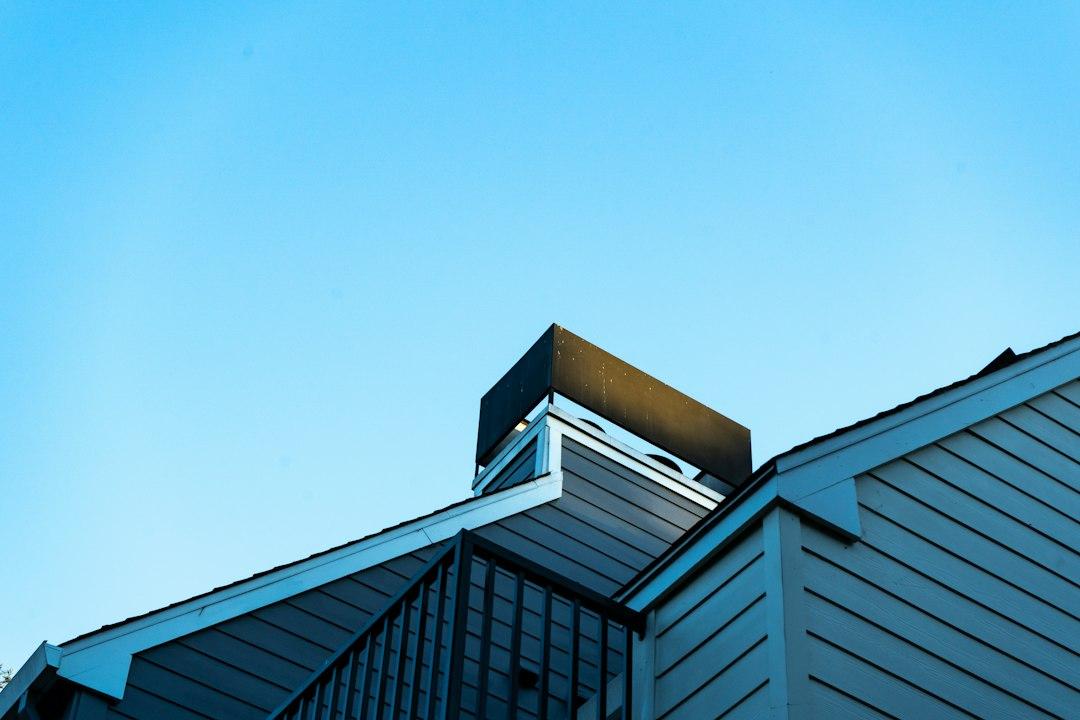
Fit a damper at the top. Instead of fixing the door at the bottom, we mount a sealing lid on top of the flue, opened and closed by a cable down to a handle in the firebox. Closed, it shuts out birds, rats and rain at the very top of the chimney, so nothing reaches the shelf or the room. Many top-mount units also carry a screen for when the lid is open. On houses with an animal problem, this is often the option owners pick.
Why there is no price list for dampers
Our published prices cover jobs that follow a pattern: sweeps, inspections, crickets, leak tracing. Caps are quoted after we measure. Dampers do not fit a pattern either. The size and shape of the throat, the state of the frame, whether parts are still made for that damper, and whether a top-mount unit will seat on the tile all vary from house to house. So we look first, then send a written figure for each option that fits your chimney, side by side.
What we can tell you up front: freeing a stuck damper is usually the smallest of the three. A top-mount damper often ends up close in cost to a new throat damper, and it does double duty as a lid against animals.
Jobs that come along with a damper repair
A damper that let in animals has usually let in nesting too. Expect one or more of these on the same visit:
- A sweep, from $415, to clear nests, droppings and soot from the smoke shelf before any new part goes in.
- A Level 1 check, $54, if you would like a written record of the whole fireplace and chimney at the same time.
- A cap, quoted after we measure, if you keep a throat damper. The cap stops animals at the top; the damper stops drafts at the bottom.
If you choose a top-mount damper, a separate cap is often not needed, since the unit closes the top itself. We will tell you which way makes sense for your flue.
What decides your price, and the next step
Three things settle it: which of the faults above you have, whether the frame is sound, and whether your flue tile can take a damper at the top. Use the form to tell us what happens when you try to work the handle, whether anything has come down into the room, and whether the fireplace burns wood or gas. Ask for damper options and prices. We look at the throat and the top of the flue, and send you the options in writing.
Gas fireplaces and dampers
If the fireplace has gas logs, the rules are different. A vented log set needs the flue open whenever it burns, so many installers fix the damper open or fit a clamp to stop it closing fully. We do not remove that safety stop. On a gas fireplace, a top-mount damper can still work, but it has to be set up so it cannot close while the gas is on. We tell you at the visit what your setup allows.
Owners ask
Can I just keep the doors closed? Glass doors help with drafts, but birds still reach the firebox and sit behind the glass. You still have an animal in the chimney, just one you can see.
Will a new damper change how my fireplace draws? Not if it is the right size. A damper that is too small for the throat, or a top-mount unit that does not open fully, can make smoke roll into the room. We size to your flue.
Does a Level 2 look at the damper? Yes. The camera and the view from the firebox both reach it, and the report says whether it closes, seals and moves freely.
Related pages
See chimney damper repair, chimney cap installation, and what sets the price of a chimney cap if a cap is part of the answer.
Had a bird in the room, or feel a cold breeze from the fireplace? Tell us what happened on our contact page, and we will arrange a visit.
Ready to Get the Top Closed?
Costello Chimney Group heads out from Monterey Park to Los Angeles, Downey, Baldwin Park and the cities between. Tell us what you are hearing and we set a visit, then price any cap, crown or roof metal one line at a time.