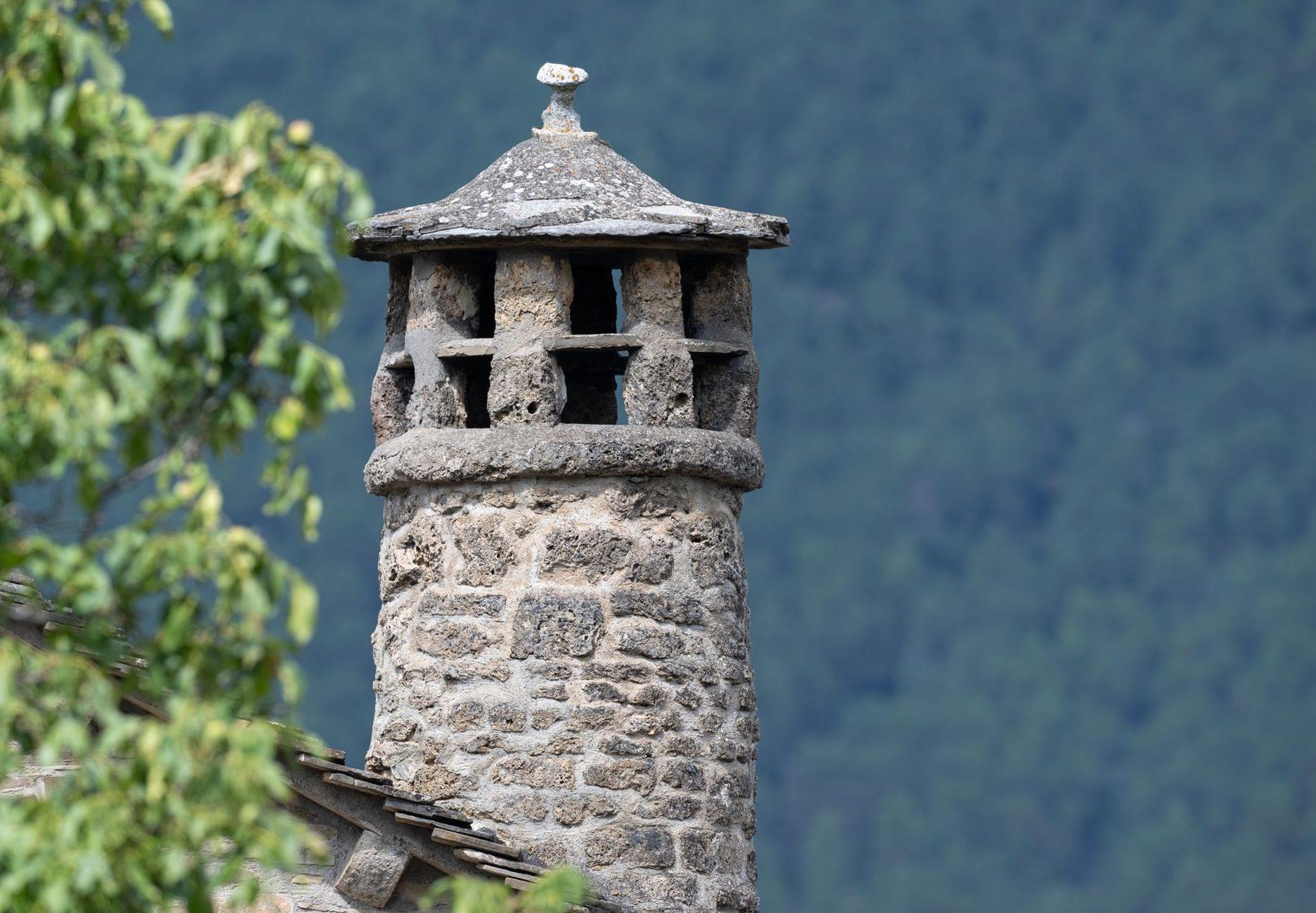
A house that sat empty
The houses we see with the most wildlife in the flue are often the ones on the market. An estate sale in Monterey Park, a rental between tenants, a place that sat empty through a spring: nobody lit the fireplace, nobody heard the birds, and by the time a buyer walks in, the smoke shelf holds a season or two of nesting. The listing photos show a tidy hearth. The flue tells a different story.
If you are buying, this is the part of the chimney that a walk-through will not show you, and the reason we suggest a Level 2 before your inspection period closes.
The standard behind the levels
The chimney standard most inspectors in the United States work from is NFPA 211, published by the National Fire Protection Association. It describes inspections at three depths. The lightest is a look at what is reachable from the room and the roof. The middle one, Level 2, sends a camera up the inside of the flue and covers the attic and other spaces the chimney passes through. The deepest means opening a wall or masonry and is rarely needed.
The standard ties Level 2 to a change of owner. The logic for a buyer is plain: whatever the last owner did with this fireplace, you inherit it, and you cannot ask the chimney.
What a Level 2 turns up in an empty house
From our own visits, these are the animal-related findings that show up most on homes changing hands:
- Nesting on the smoke shelf. Twigs, grass and feathers stacked above the damper. It burns well and sits where heat collects.
- A blocked flue. A nest or a dead animal lodged partway up. The camera finds it; a flashlight from below usually does not.
- Droppings and urine stains on the tile. These soak into soot and give off a smell that gets worse when the room warms up.
- Gnawed or bent damper parts. A raccoon climbing down will force a damper that a bird would never move.
- A missing or broken cap. The way in. Often the cap is there but the screen has rusted out.
- Rat tracks in the attic along the chimney. The gap where the chimney passes through the ceiling framing gives them a path into the house.
Each of these has a fix, and most are not expensive. What matters during a purchase is knowing about them while you can still ask the seller to deal with them.
What we charge for each level
- Level 1, the visual check: $54.
- Level 2 with the camera run: $390.
- Sweep to clear nesting and soot: from $415.
- Cap with screen, installed: quoted after we measure.
On a purchase we recommend Level 2. A Level 1 makes sense when the house is not being sold and nothing about its use has changed.
How the report helps in the deal
Our report lists each finding with photos from the camera and the roof, where it is in the chimney, and what it needs. For a buyer that turns into one of three things: a repair request to the seller, a request for a credit, or a note for your own list after closing. A sweep is an easy item to put a number on because our price is published. A cap is quoted after we measure. Larger work, like a damaged damper or a broken crown, gets a written figure from us after we have seen it, which you can hand straight to your agent.
The report goes to whoever booked it and anyone they name, such as your agent or the seller's agent. You do not have to be there; see our page for buyers on a home sale for how access works when you are not in town.
What decides the price, and what to send
The inspection price is fixed: $54 for a Level 1, $390 for a Level 2. What changes is what the inspection finds, and that drives any repair figures that follow. Use the form to tell us the address, when your inspection period ends, how many fireplaces the house has, and who should receive the report. Book a Level 2 for a purchase. We set the visit and send the report to the names you give us.
Cases where a buyer pushes back on a Level 2
"The home inspector already looked at it." A general inspection shines a light into the firebox and looks at the top from the ground or the roof edge. It is not built to see a nest halfway up the flue. Most home inspectors write a referral to a chimney specialist when they see signs of trouble.
"The seller says they never used it." That is often the house with the most nesting in it. An unused fireplace is a quiet, dark shelf with nothing to scare animals off.
"It has a cap." A cap with a rusted screen is no cap at all. The camera and the roof check tell you whether it is doing its job.
"I plan to switch to gas anyway." A gas insert or log set still vents up that flue. A blocked flue is a problem for gas too, more so because you cannot see the smoke.
Related reading
See Level 2 chimney inspection, chimney inspection, and who to call for a chimney animal if the report turns up something living in the flue.
Buying in Monterey Park or nearby and the inspection window is open? Send the address and your agent's name through our contact page and we will set it up.
Ready to Get the Top Closed?
Costello Chimney Group heads out from Monterey Park to Los Angeles, Downey, Baldwin Park and the cities between. Tell us what you are hearing and we set a visit, then price any cap, crown or roof metal one line at a time.